
Xceed Journal
Public waterfront access and a home’s access rights are different questions
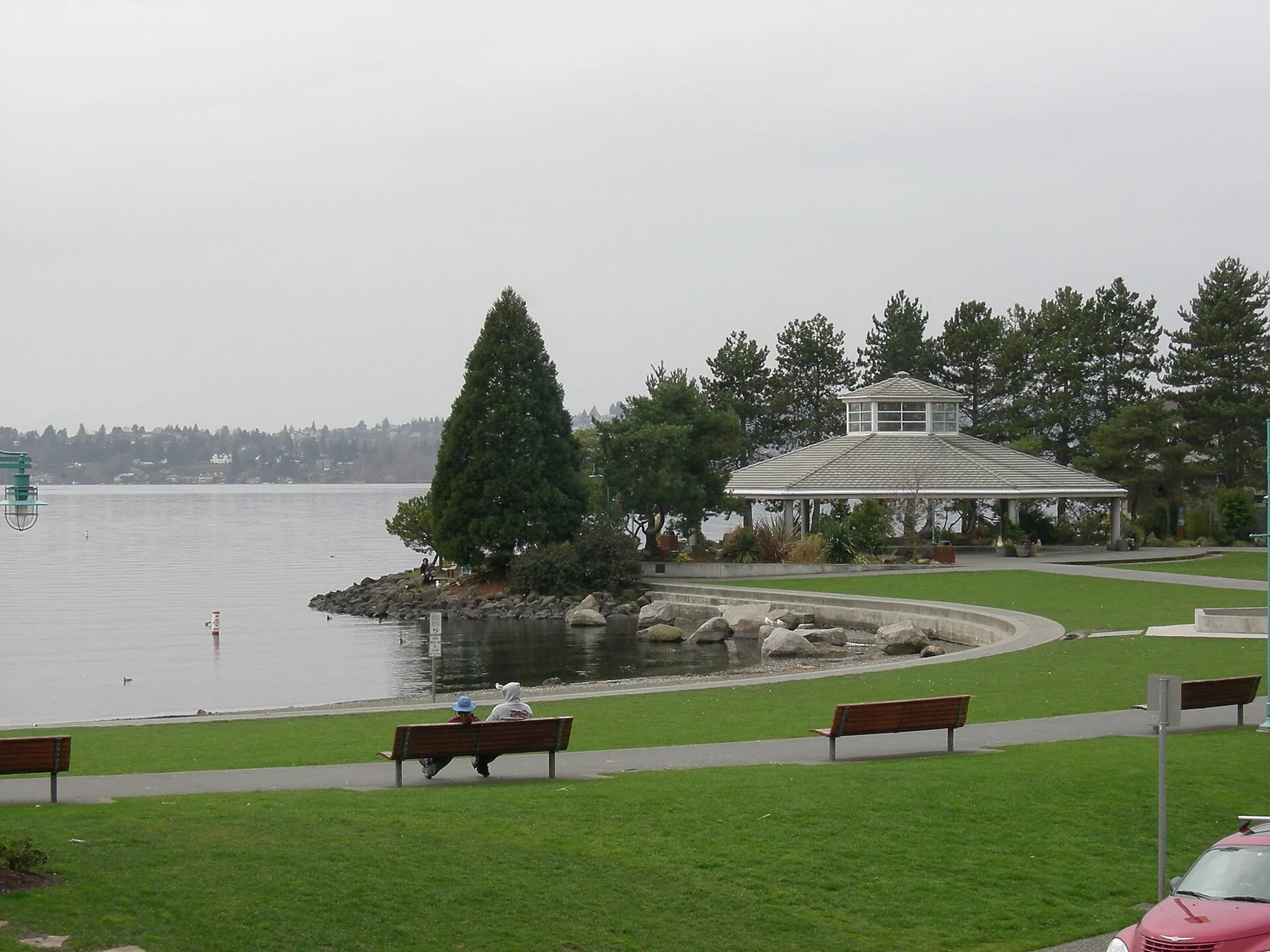
A public park is a destination, not a property document
Marina Park in Kirkland is an example of a publicly described waterfront destination. Its official page identifies recreational amenities including a beach and boat launch. That description supports a visit to the park; it does not describe the legal rights of an adjacent home. Our editorial suggestion is to label these two subjects separately in a home comparison: the public place you could visit, and the access rights claimed for the property. This prevents an attractive shoreline photograph from doing work that only property-specific evidence can do.
Ask what the access claim actually means
An access claim needs a precise description before it can be checked. As an editorial checklist, ask whether the statement refers to a public park, a shared facility, a route across land, a dock or the residential parcel itself. Request the records relied on for that statement, rather than treating these different situations as interchangeable. Do not infer permission to cross a private yard from a view of the water or a line on a consumer map. Unclear boundaries and rights should be reviewed using the relevant documents and qualified help.
Treat aquatic ownership and dock questions separately
WA Department of Natural Resources manages state-owned aquatic lands and provides information about aquatic land ownership. Its ownership dataset directs questions about a specific location to the relevant aquatic land manager. That is a useful reminder that a shoreline address does not answer every question about land beneath the water or facilities extending into it. Our editorial advice is to identify which agency and records apply before relying on a dock or moorage claim. This article neither establishes ownership nor says that any particular dock is approved, transferable or available for use.
Turn the uncertainty into a document request
A document request identifies the evidence needed to examine a claimed waterfront access right. Our suggested list includes the title materials, recorded access documents if a right is claimed, applicable shared-facility rules, and relevant agency records for a dock or other shoreline facility. Ask a title professional, attorney or responsible agency which materials are needed for the specific question. Keep the public-park visit on a separate checklist for operating rules and current conditions. Neither a pleasant visit nor a listing description resolves the property-specific review.
Questions worth asking
Does a nearby public beach give a home private beach rights?
A public beach description does not establish private rights for a nearby home. Review the property-specific documents for any claimed right.
Does a lake view establish access to the water?
A view does not document a route or permission to use it. Ask what access is claimed and what records support the claim.
Can this article confirm a dock is legal?
No. A particular dock requires property-specific and agency-specific review. This article provides questions to ask, not a legal or permitting conclusion.
Official sources
Editorial draft by Xceed Realty. For general information only. Verify current conditions, school assignment and property-specific rights with the relevant official source or qualified professional. This article does not provide legal advice or guarantee enrollment, access rights or travel time.
FROM READING TO EXPLORING
Explore these communities
Use these local guides to take the article’s questions into your own research. An article’s findings do not describe every home in these communities.
Compare neighborhoods on the map ↗CONTINUE THE CONVERSATION
Read next
Separate the view from the rights
Bring the listing and any access documents. We can help organize the questions for the seller and the appropriate professionals.